Choosing the right size for your outdoor gear: the ultimate guide
When it comes to outdoor sports, equipment size is far from a mere detail. Skis that are too long, ill-fitting boots, or a bicycle unsuited to your body type can quickly ruin your experience. Choosing the right equipment guarantees performance, comfort, and safety.
This comprehensive guide aims to give you an overview of sizing logic across different disciplines and direct you to more detailed specific guides.
Alpine Skis
The choice of ski size mainly depends on your height, weight, practice, and skill level. A beginner skier will choose shorter skis (easier to handle), while an experienced skier will prefer longer skis for more stability and speed.
👉 See the complete ski size guide
Ski Boots
Ski boots use the Mondopoint system, based on foot length in centimeters. Precise measurement is essential to avoid pain and improve control. The fit also varies depending on the level of practice (recreational vs. competition).
👉 Read the complete ski boot size guide
Ski Touring
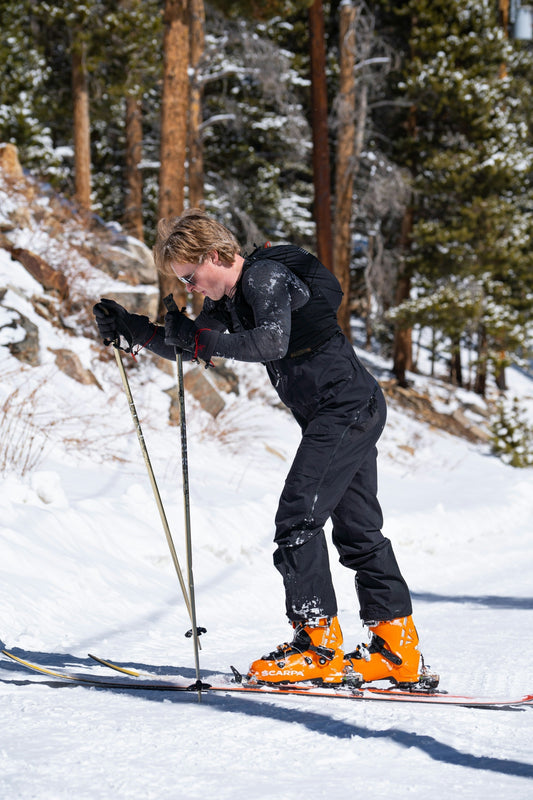
Lighter and more maneuverable than alpine skis, touring skis are often chosen a bit shorter to facilitate ascents, but long enough to ensure stability on descents.
👉 Consult the size guide for touring skis
Ski Poles
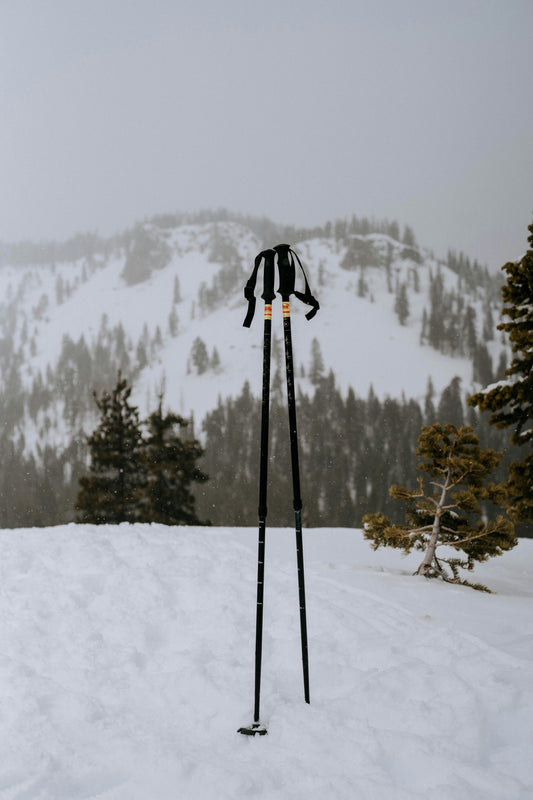
The general rule: invert the pole and place the grip on the ground. Your forearm should then form a right angle with your arm. For ski touring, many opt for telescopic models that allow adjusting the height according to the effort.
👉 See the complete guide on choosing ski pole size
Bikes
The size of a bike is determined by the frame height, adapted to your height and leg length. Each discipline (MTB, road, gravel) has its own benchmarks, and some bikes are easier to adjust than others.
👉 Read the complete bike size guide
Cross-country skiing
The choice of cross-country skis depends on your height, weight, and the style practiced (classic or skating). In general, classic skis are chosen longer than your height, while skating skis are closer to your height for better maneuverability.
👉 See the complete cross-country ski size guide
Snowboard
For a snowboard, the ideal size is mainly determined by your weight, height, and riding style. A shorter board will offer more maneuverability (ideal for freestyle), while a longer board will provide stability and speed (perfect for freeride).
👉 Read the complete snowboard size guide
Other Outdoor Equipment
Beyond the main equipment, size also plays a role for helmets, technical clothing, or backpacks. A helmet that is too large compromises safety, ill-fitting clothing restricts movement, and an unsuitable backpack can cause pain.
👉 Discover our size guides for outdoor equipment
Choosing the right equipment size is an investment in your enjoyment and safety. Before any purchase, take the time to consult a guide adapted to your practice.